


As both exhibitors and presenters, WearHealth had the opportunity to engage in many conversations across industries at the TÜV Occupational Safety Conference in Hamburg.
Workplace safety is rarely limited by knowledge — but by how it plays out in reality.
Across discussions, there was a strong sense that many organizations have already made significant progress.
And yet, similar challenges continue to surface.
Most organizations today operate with well-established safety frameworks:
From a conceptual perspective, much is in place.
However, translating these structures into everyday practice remains a challenge.
The difficulty is not defining safety — but applying it consistently under real conditions.
A recurring theme across conversations:
Work rarely happens under ideal conditions.
Instead, daily operations are shaped by:
These factors introduce complexity that is difficult to fully capture in predefined processes.
The focus is shifting from technology itself
to how it supports real-world understanding.
Organizations are increasingly exploring:
With increasing digitalization, another topic is gaining importance:
Data protection in workplace safety.
As more data is collected and analyzed, organizations face new challenges around:
This will likely become a defining factor in how digital safety solutions are implemented moving forward.
Workplace safety is not a static topic —
it is something organizations are continuously trying to improve.
The TÜV Occupational Safety Conference highlighted an important shift:
The challenge is no longer defining safety — but understanding how it works in practice.
Across different perspectives, one pattern became clear:
Workplace safety becomes complex where structure meets reality.
Key trends include digitalization, artificial intelligence, a stronger focus on health, and improving how safety is implemented in daily operations.
Because they are typically designed for stable conditions, while real work environments are dynamic. Factors like time pressure, human behavior, and changing conditions make consistent execution challenging.
Topics included digitalization, artificial intelligence in workplace safety, operational challenges, and regulations.
mehr Einblicke
August 18, 2026
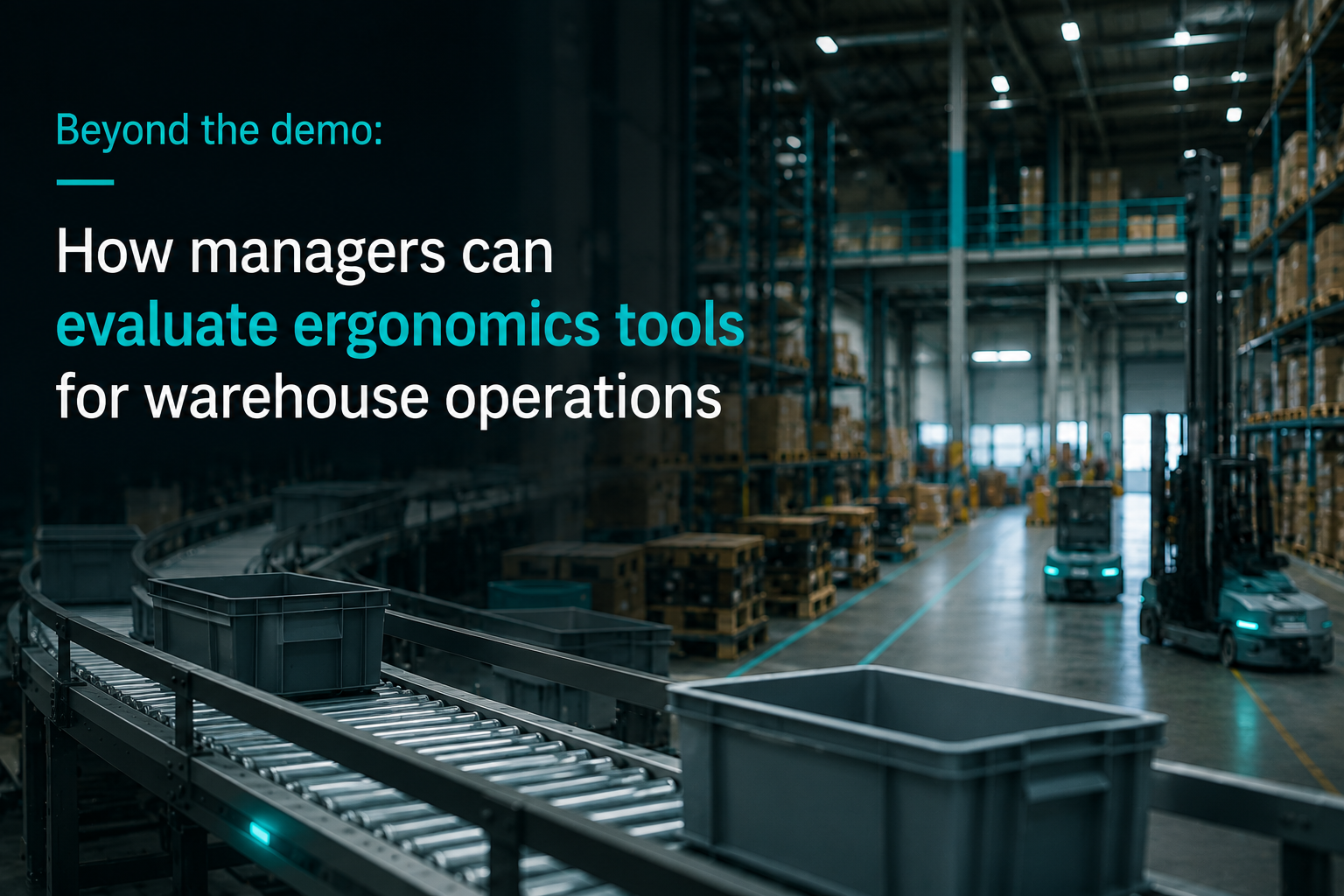
How can warehouse managers determine whether an ergonomics tool will work in their operation? Learn how to evaluate solutions through real-world pilots, usability, workflow integration and privacy.
August 17, 2026
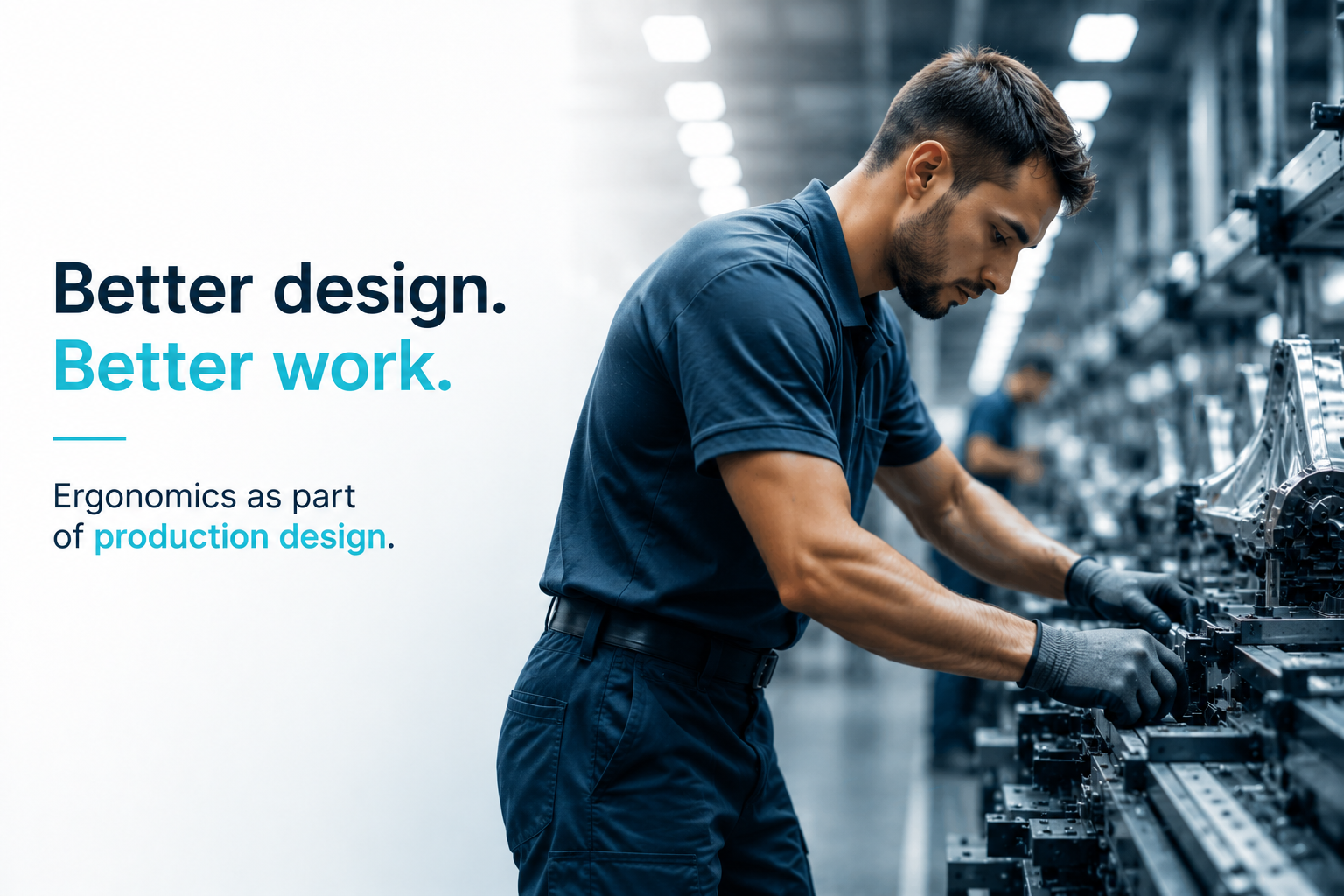
What can manufacturers learn from Nissan’s investment in ergonomics? Explore why physical workload is becoming an important part of production and workstation design.
