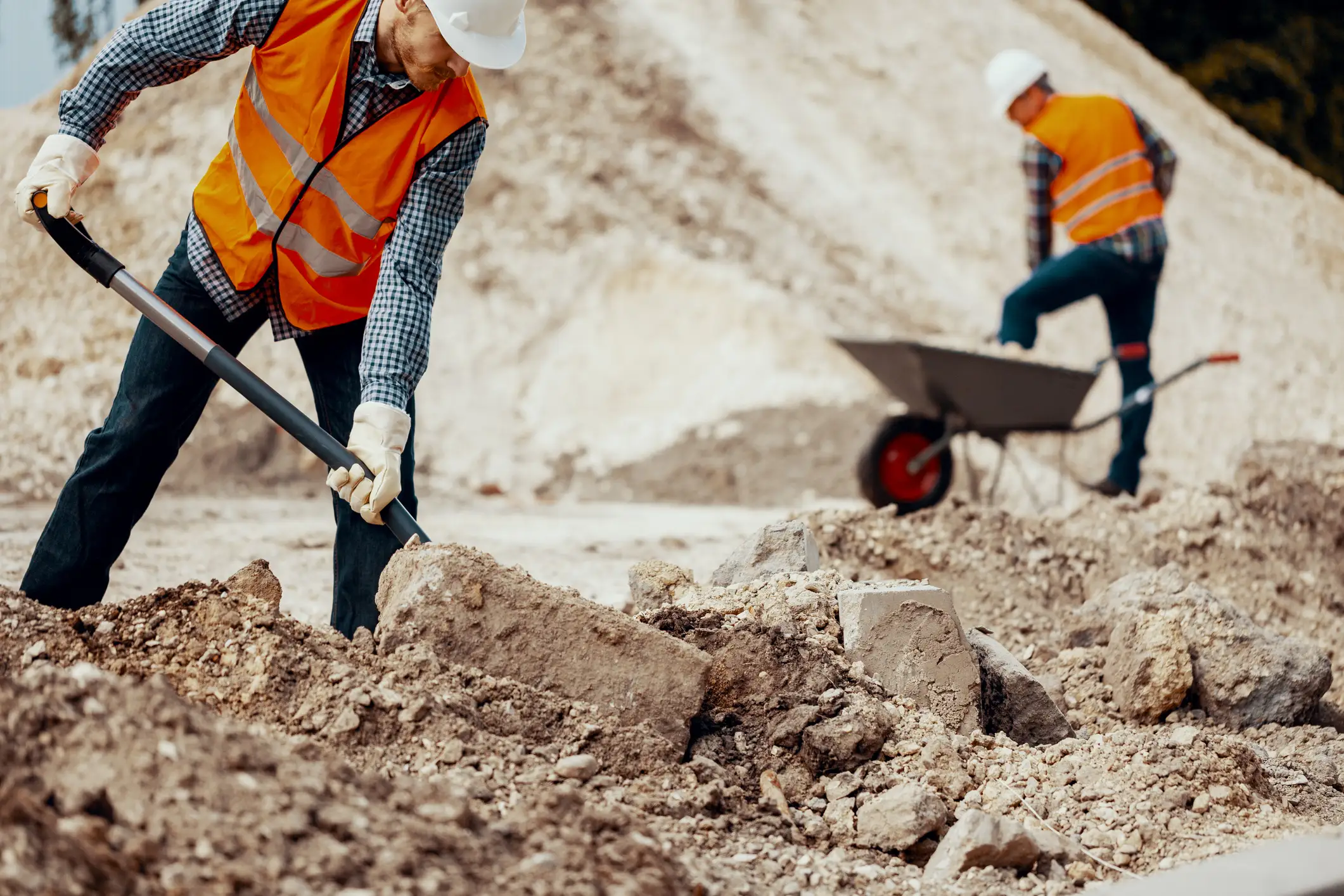
Why Harsh Environments Increase Injury Risk in Mining
Mining operations take place in some of the most demanding environments — from underground sites to open-pit operations exposed to heat, dust, and uneven terrain. Work is physically intensive, repetitive, and often performed under harsh conditions where fatigue and strain build quickly.
From handling heavy equipment to maintenance tasks and material movement, these conditions lead to rising injuries in mining operations, making it difficult to maintain safety and uptime.
Why injuries are difficult to prevent
- Risk varies across environments (underground, surface, processing).
- High-risk tasks are not clearly visible.
- Safety data is limited or delayed.
- Without visibility, it’s difficult to identify high-risk tasks early.
What effective mining safety requires
- Capturing how tasks are executed in real environments — not just procedures.
- Identifying high-risk tasks across roles, shifts, and locations.
- Understanding how strain builds in different conditions (heat, terrain, fatigue)
- Using data to move from reactive safety to proactive prevention