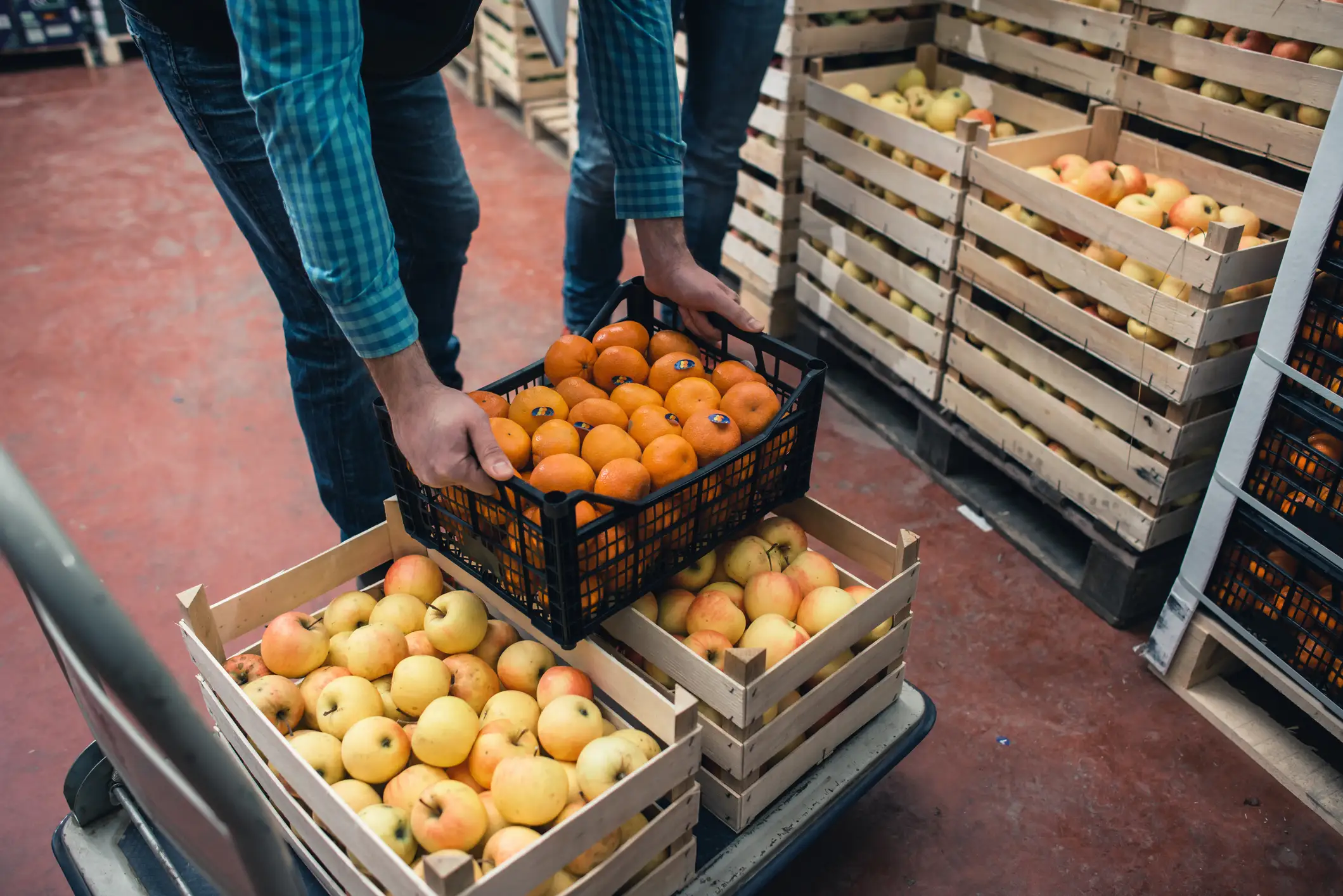
How Daily Store Operations Lead to Physical Strain
Retail and grocery fulfilment — from supermarket backrooms to distribution centers — is driven by constant movement.
Teams are:
- Picking online orders.
- Rrestocking shelves through continuous replenishment.
- Unloading roll cages, pallets, and delivery trucks.
- Bending, reaching, and lifting in confined back-of-store spaces.
- Handling goods across shifts to keep availability high.
These daily tasks create continuous physical strain, leading to rising injuries in retail workers and making it difficult to reduce MSDs in fulfilment centers while maintaining performance.
What effective safety looks like in retail operations
- Understanding how work is really performed across picking, replenishment, and handling tasks.
- Being able to identify high-risk tasks that drive strain and injuries.
- Improving health and safety without slowing down store operations.
- Reducing repetitive strain across shifts and store environments.